
Faithful Frogger
I assumed I had seen just about anything traffic could throw at me. I was a hardened commuter unphased by the sometimes flagrant disregard for law and social order that are the streets of the big city I grew up in. I was confident I could go anywhere and boldly navigate without fear or hesitation.
Then I went to Rome.
It isn’t easy to describe if you’ve never been to Italy. Suffice it to say it is a cacophony of cars, motorcycles, and mopeds, zooming in and around one another with minimal consideration for mundane things like lane markers and curbs. In short, if you’re a pedestrian in Rome, get ready for a real-life game of Frogger with you as the frog!
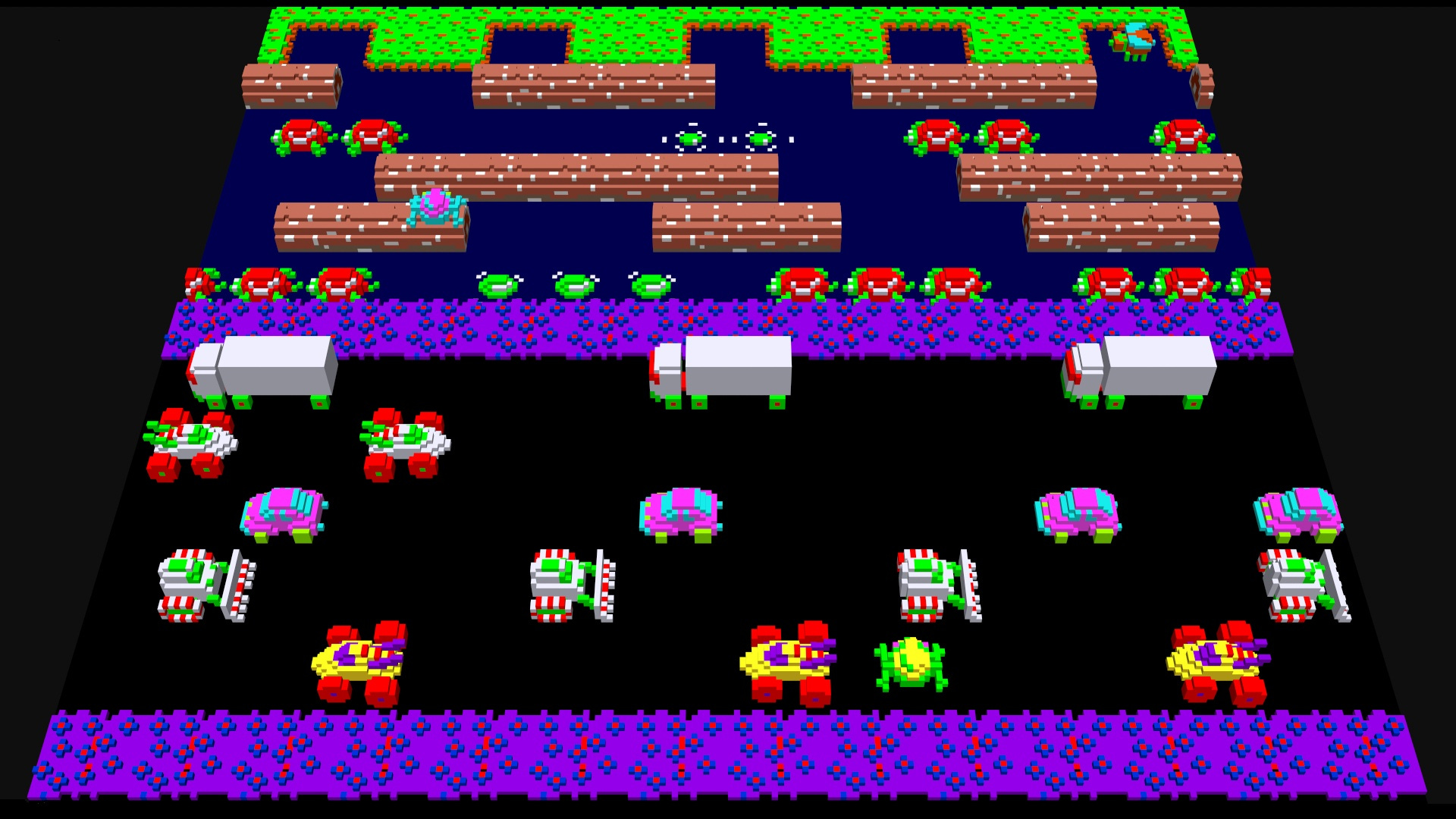
As a public service (you’re welcome), I’d like to present “4 Rules to Being a Pedestrian in Rome”:
If you see a nun crossing the street, cross with her! As a Roman told me, Italians might not be religious anymore, but they are superstitious and won’t hit a nun. Your percentages are not as good when crossing with a priest, but he’s better than nothing.
When a stoplight with a signal is nearby, even if it is outside your path, cross there. Romans will (usually) respect a red light... by slowing down ... a little.
If there is no light, look for a crosswalk rather than crossing in the middle of the road. I’m told that walking outside a crosswalk throws chaos into the system - which I suspect is a feature, not a defect, for Rome - but it’s still a good rule to follow.
When you begin to cross, DON’T STOP, and don’t change your speed. You will have cars and cycles zooming behind and before you, making split-second calculations on how to get around you rather than having to do something as ridiculous as stopping for a pedestrian. Hesitating or changing your speed dramatically increases the chance of your Frogger game ending with “Game Over.”
In short, crossing the street in Rome depends on specific rules and patterns, but in the end, you must accept that you can’t anticipate everything and just commit to crossing.
During my last week in Rome, when I could finally cross the street with a boldness similar to that of a group of nuns waving the Vatican flag, I was impacted by a realization - learning to cross the street in Rome taught me about parish renewal.
Roaming About in Renewal
Like crossing the street in Rome, renewal is a dangerous business and yet necessary to get anywhere. The uncertainties are far more significant than the most well-developed and tested strategy. Every person I know who recognizes the need for renewal in the Church wrestles with questions like:
How do we free ourselves from the poison of “this is how we've always done it” without separating ourselves from the inspired Tradition of the holy ones who have gone before us?
When our collective Western consciousness has forgotten what a fully lived-out Catholic life looks like, how do we progress in an environment of apathy and downright hostility from those more comfortable with the certainty of the status quo?
When priests and bishops dedicate more time to being managers rather than mystics, how can the lay faithful provide an antidote to this widespread disease in the hierarchy and, with charity and care, call their clergy to holiness?
I certainly don’t have answers and have been wrestling with these questions for the past decade. Frankly, the answers will vary depending on the local Church. What is needed in my diocese is not the same as what is necessary in our neighboring dioceses, let alone in the Holy See itself.
Yet while a specific path cannot be prescribed, to avoid the excesses that can occur around renewal like apathy or schism (I’m looking at you, German Bishops), there are specific rules, conventions, and guidelines that one must follow:
Cross with the nuns - The work of renewal must be done alongside the religious and clergy. The laity cannot do this alone, nor can the clergy and religious. The Second Vatican Council speaks powerfully about the relationship between the two dimensions of the Church, the hierarchical and the charismatic. Clericalism is when we place those at odds with one another, either ascribing a self-referential superiority to the clergy and religious, or (and dare I say more common in the Church in the U.S.) a diminishment of the “otherness” of those vocations. If one gets frustrated with the worldliness that some clergy and religious struggle with and so tries to move forward without them, odds are you’re going to cause an accident.
Cross at a light - One of the greatest gifts Jesus has given is His Church. Sadly these days, that can be a controversial statement. With an epidemic of weak leadership and the bloat and dysfunction of the institution at all levels, one would be forgiven if they were so fed up with the Church as to consider leaving. Yet our God knows human nature better than we do (being its author and all). He knows that the extraordinary capacity of humans for self-deception must be balanced with a reality that, by supernatural means, is guaranteed from teaching error. Oh sure, its leaders, and maybe even entire dioceses, may enslave themselves to the zeitgeist, but in the end, the messiness of human life will never outweigh God’s desire for us to have a sure and certain path to Him. To listen to the Church when it tells us to go, stop, or proceed with caution is to fully use the gifts Jesus has left the world.
Cross at the crosswalk - We can learn from the path trod by others seeking renewal. I am increasingly convinced that those striving to become agents of renewal in the Catholic Church must come together in small Christian communities, having regular (read: weekly) times of shared prayer, study, and conversation. While never a guaranteed success, the path walked by others can provide ideas, support, and, most importantly, communion with other agents of renewal.
Commit to the path - When striving to be an agent of renewal, there is a lot that you will get wrong. But the most dangerous thing you can do is hesitate even after discovering the Lord’s will. In the seminary, it was called paralysis of discernment. It happened when a guy was frozen between the moral certainty of being called to the priesthood or the decision to leave the seminary to pursue God’s will elsewhere. Many factors can cause it, but their trust in God is ultimately overwhelmed by a desire to “get it right.” There have been more than a few times when I haven’t got it right; I committed myself to a path with zeal and certainty, only to discover that I was heading in the wrong direction and needed a severe course correction. But the Holy Spirit can do far more with our mistaken beliefs about God’s will for us than He can do with apathy in discernment or hesitation in carrying it out.
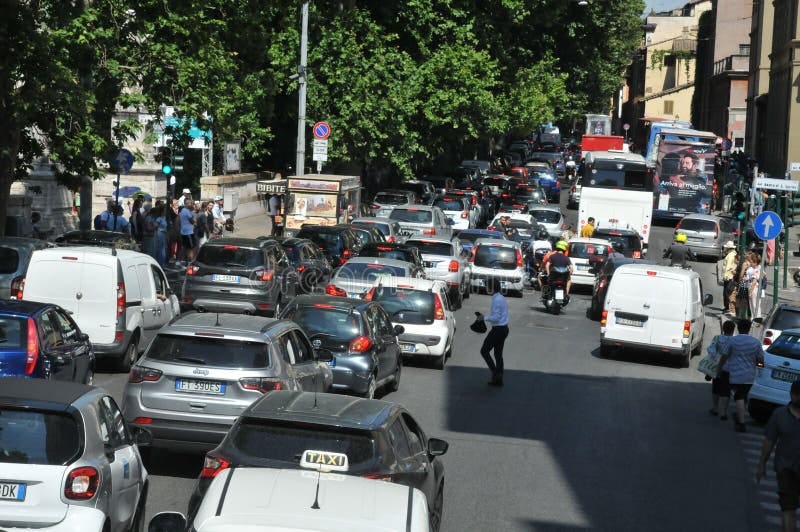
The Dangers of Roman Streets (and Renewal)
I recently returned to the well-worn copy of a homily I keep in my bible, that which my bishop preached to us on the day of our ordination. His words are even more impactful on me now than they were on that blessed day:
“You enter into history and into eternity as ordained priests of the Catholic Church. The world doesn't know it depends on you, but it does; the Church does know she depends on you, but she will often take you for granted. Still, hear each day what you have heard here: the Holy Spirit has appointed you overseers and therefore you are to set an example, in your live and in your teachings. And each day tell the Lord with St. Peter: You know all things, you know that I love you. Then you will have the courage, even in difficult times, to speak of Christ to everyone.”
I want to speak to my brother priests now: The road to renewal is more dangerous than even the busiest Roman street. As the lives of the saints attest, someone who is genuinely a Spirit-driven agent of renewal will experience pushback, misunderstanding, and anger from those above and those below. Many times throughout the Gospels, Jesus makes this clear to his would-be-disciples, of particular note in Luke’s Gospel when He said:
“Woe to you when all speak well of you, for that is what their ancestors did to the false prophets.” (6:26)
We don’t measure our ministerial success by how many parishioners would recommend us, by collections and Mass attendance, or by what people say about us. We measure it by faithfulness to the Spirit of God with which we have been anointed.
That is why it is essential to enter into vulnerability-based collaboration with certain laypeople in our community, especially those that we sense the Lord has anointed for the work of renewal. With trust, they can offer us the support and confidence we need while also honestly challenging and correcting when our broken humanity gets in the way of our supernatural vocation.
Like crossing the streets of Rome, you’ll know if you’re doing it right if there is a certain amount of danger (and a few people yelling out of their car windows).
But I can guarantee you, brothers, that the hatred and false judgment of those unsettled by the path of renewal will be nothing compared to accompanying people as they have a transformative encounter with Jesus and recognize Him as not just an idea, but as a person in their life.
Crossing the Street of Renewal
When a person or parish seeks the path of renewal outside of the guidelines we have - departing from the Deposit of Faith; working separately from the hierarchy, especially Bishops; striving to do the work of renewal rather than actively yield to God’s renewing will - even the appearance of renewal will be sand under a crumbling foundation. Yet at the same time, we sometimes just need to begin the renewal process with determination and confidence. To step out in confidence and trust that Jesus desires the renewal of the Church far more than we do.
Sometimes, you must cross the street and trust you won’t get hit.
Especially if there’s a nun nearby.