
From Feasting to Fasting
A well-lived Christian life is a movement between feasting and fasting; a life of discipline and celebration; the experience of growing in freedom and enjoying freedom. In a world of excesses, falling too much on one end or another of the continuum is common. Either the extent of our fasting is on Ash Wednesday and Good Friday and, even then, involves a detailed search to determine “what counts.” Or, rarer but equally as dangerous, we are far too strict in the disciple of our body, forgetting that properly ordered sensual pleasures can themselves draw us to a deeper understanding of God Himself.
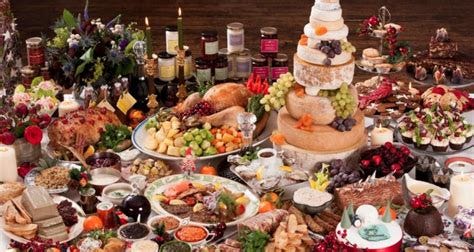
Fasting shouldn’t be a punishment or a denial of pleasure but rather a way to free ourselves from attachments to lesser things, things that ultimately prevent us from receiving the supernatural abundance offered to us. Put another way, without the emptiness that results from fasting, we lack room in our hearts for divine life.
Yet the Christian life is not meant to be a dismal self-scourging. A priest I know tells how a well-known Archbishop of the United States was visiting his rectory. Upon seeing him, the Archbishop said, “M., how are you doing?” To which the melancholic priest responded, “Oh, I’m surviving.” With a bit of shock, the Archbishop responded. “Surviving? M., Jesus is Risen! We win!” Dying to self should always be balanced by the joyful truth that if even death itself can not stand in the way of God’s love for us, then the ultimate posture of a Christian should be one of rejoicing.
A life of feasting without fasting makes us no better than animals and enslaves us to our fickle desires.
A life of fasting without feasting rejects the spirituality of our bodies and closes us off from legitimate pleasures.
To open ourselves to the fullness of joy that is a gift of the Holy Spirit requires us to live in the freedom that fasting provides. And yet fasting as an end in itself leads to a cheerless Christianity, which is foreign to the Gospel.